
Lymphatic Drainage Therapy: What It Is, What It Is Not, and What to Expect
Author:
Shane Ditlow
,
Owner and Medical Massage Therapist
Published on
10/20/2026
Painless Stride
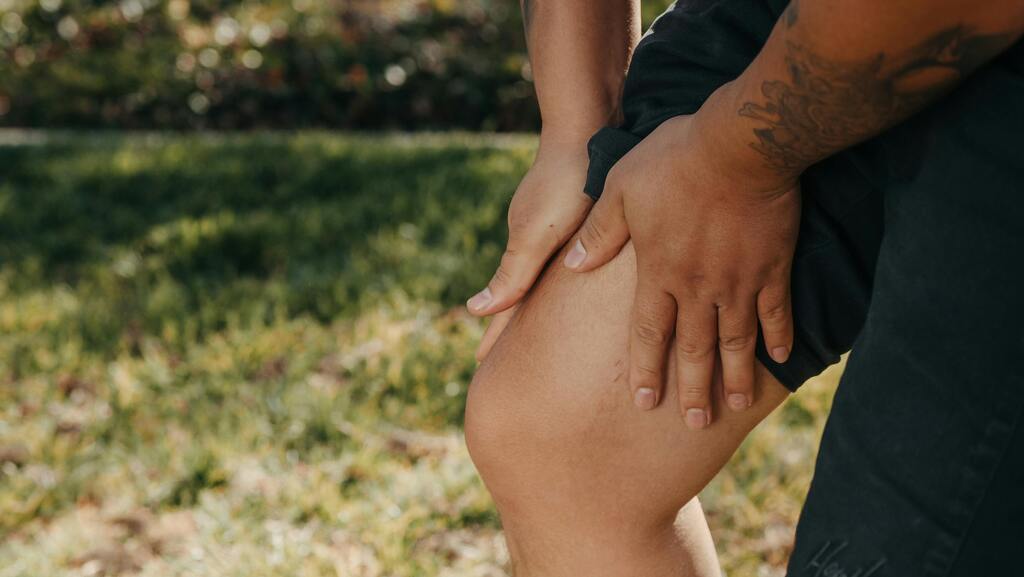
Lymphatic drainage has become a popular topic, and with that popularity has come a lot of confusing claims. You may have heard that it detoxes the body, boosts immunity, or melts away weight. Those claims are not supported by research, and I do not make them.
What lymphatic drainage therapy can offer is quieter and more practical: a very gentle, relaxing form of hands on care that some people seek out for swelling, recovery after surgery or a cosmetic procedure, or general comfort. This article explains what it is, what a session at Painless Stride in Broomfield involves, who should check with a physician first, and what the research actually shows.
What is the lymphatic system?
Your lymphatic system is a network of vessels and lymph nodes that collects extra fluid from your tissues and returns it to your bloodstream. It is also part of your immune system. Unlike blood, lymph has no single pump like the heart. It moves with the help of muscle activity, such as walking, along with small contractions in the vessel walls.
When this system is damaged or blocked, fluid can build up and cause swelling. That condition is called lymphedema. It is important to know that not all swelling is lymphedema. Swelling can also come from an injury, an infection, a blood clot, heart or kidney problems, vein problems, or a medication.
What is lymphatic drainage therapy?
Lymphatic drainage therapy is a light, rhythmic, hands-on technique intended to encourage the movement of lymph through the tissues. I trained in this approach through the Chikly Health Institute.
The pressure is much lighter than massage. Instead of working into muscle, the touch stays at the surface of the skin, where many small lymph vessels sit. It is meant to feel gentle and comfortable.
What lymphatic drainage is not
Being clear about limits is part of offering this work responsibly.
- It is not a detox. Your liver and kidneys handle that, and lymphatic drainage has not been shown to remove toxins.
- It is not a weight loss treatment. It does not burn fat or change body composition.
- It is not a substitute for lymphedema care. If you have diagnosed lymphedema, especially after cancer treatment, a certified lymphedema therapist working with your medical team is the right place to start.
- It does not diagnose the cause of swelling. New or unexplained swelling needs a medical evaluation first.
Why people ask about it
In my practice, people usually ask about lymphatic drainage for:
- Swelling
- Swelling after surgery
- Recovery after a cosmetic procedure
- General wellness and relaxation
If you are recovering from surgery or a cosmetic procedure, please check with your surgeon about when hands on work is appropriate and follow their aftercare instructions.
What a session looks like at Painless Stride
Every session begins with a conversation. On your first visit, that is a full intake about your health history, any recent procedures, and what you hope to get from the session. On later visits, we recap what has happened since your last session.
For more complex situations, I require clearance from your physician before we begin. That might include recent surgery, a heart or kidney condition, a history of blood clots, an active infection, or current cancer treatment. If you are not sure whether this applies to you, ask me during your consultation.
Lymphatic sessions usually last 30 to 60 minutes. You remain partially clothed, and comfortable, loose fitting clothing is best. This work is most effective directly on the skin, so I will explain which areas I plan to work on, ask for your permission, and keep you covered everywhere else. You are always welcome to ask questions, ask me to adjust, or stop at any time.
What does the research say?
Most of the strong research on manual lymphatic drainage comes from people with lymphedema, not from healthy adults.
- Lymphedema after breast cancer treatment: A 2015 Cochrane review of 6 trials with 208 participants found that compression bandaging alone reduced swelling by roughly 30 to 39 percent. Adding manual lymphatic drainage reduced swelling by about 7 percent more. The trials were small, and the authors described the technique as safe and well tolerated.
- Sports medicine and injury: A 2009 systematic review found only limited high quality evidence for lymphatic drainage in sports and orthopedic rehabilitation. The most promising findings involved swelling after ankle sprains and wrist fractures, and the authors called for better trials.
- General wellness, detox, and athletic recovery in healthy adults: Good evidence supporting these claims is lacking.
These findings come from specific groups of people, mostly those receiving medical lymphedema care. They do not show that the same results apply to healthy adults or to swelling with a different cause. The fairest summary is that lymphatic drainage is a gentle, generally safe option some people find comfortable and worthwhile, with stronger evidence in clinical lymphedema care than in wellness settings.
When to see a medical provider first
Call 911 if swelling comes with chest pain, difficulty breathing, shortness of breath when lying flat, fainting, or coughing up blood.
Get medical care right away if:
- Swelling starts suddenly with no clear cause
- Swelling follows an injury, such as a fall or a car accident
- Only one leg or arm is swollen, especially if it is painful, warm, red, or unusually pale
- You have a fever along with redness or warmth in a swollen area
Contact your physician before booking if you have swelling that lasts, swelling you think may be related to a medication, a heart or kidney condition, a history of blood clots, or current or past cancer treatment.
Frequently asked questions
Does lymphatic drainage hurt?
No. The pressure is very light, much lighter than a typical massage.
How is it different from massage?
Massage works into muscles and soft tissue with more pressure. Lymphatic drainage uses a light, rhythmic touch at the surface of the skin with a different purpose.
Can it help with swelling after surgery?
Some people ask about it for that reason. Please check with your surgeon first, and if your situation is more complex, I will ask for your physician's clearance before we begin.
Do you treat lymphedema?
I am not a certified lymphedema therapist. For diagnosed lymphedema, I recommend working with a certified lymphedema therapist and your medical team.
Can I book lymphatic drainage on its own?
Yes. You can book it as its own session, or it can be part of a broader bodywork session.
Is lymphatic drainage a good fit for you?
The best way to find out is to talk it through. I offer a complimentary consultation of about 45 minutes. We review your history together, and you receive some bodywork so you can feel the approach for yourself before deciding on anything.
Request your complimentary consultation or schedule online.
When to see a medical provider first
You may also find these articles helpful: What Is Visceral Manipulation? and Recurring Pain Before Ski Season? What to Know About Neural Manipulation
This article is for general education and is not medical advice.
Sources
Ezzo J, Manheimer E, McNeely ML, et al. Manual lymphatic drainage for lymphedema following breast cancer treatment. Cochrane Database of Systematic Reviews. 2015;(5):CD003475.
- Systematic review of efficacy for manual lymphatic drainage techniques in sports medicine and rehabilitation: an evidence based practice approach. Journal of Manual and Manipulative Therapy. 2009.
- Mayo Clinic. Lymphedema: symptoms and causes.
- Mayo Clinic. Leg swelling: when to see a doctor.
What a session looks like at Painless Stride
Every session begins with a conversation. On your first visit, that is a full intake about your history, your symptoms, and what you would like to be able to do. On later visits, we recap what has happened since your last session.
Next, I complete a physical assessment. I test your range of motion and do a pain assessment so we have a clear starting point. From there, the session follows a simple rhythm: test, treat, and repeat. After treatment, I recheck the movements we tested so we can see together whether anything changed.
I recommend session length on an individual basis, and most sessions are about an hour. Neural work feels slightly different from other bodywork. It can be scheduled weekly while you are making progress toward your goals, and we review that progress at each visit so we can decide together whether to continue, adjust, or pause.
Comfortable, loose fitting clothing works best. Before I begin, I explain what I plan to do and ask for your permission. You are always welcome to ask questions, ask me to adjust pressure, or stop at any time.