
Recurring Pain Before Ski Season? What to Know About Neural Manipulation
Author:
Shane Ditlow
,
Owner and Medical Massage Therapist
Published on
10/20/2026
Painless Stride
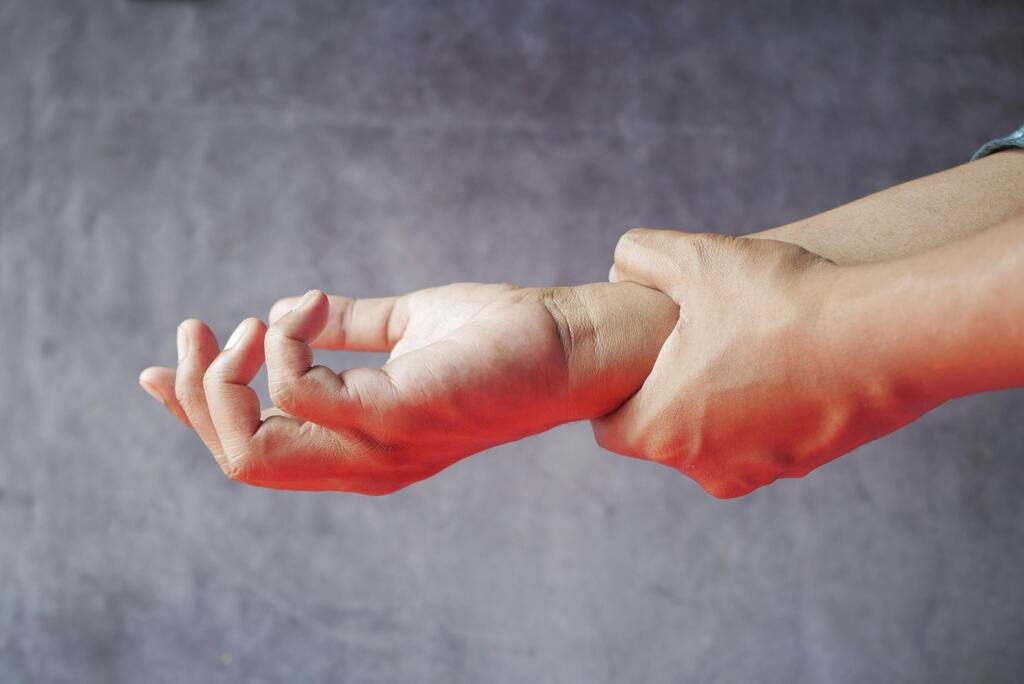
As ski season approaches on the Front Range, many active adults start picturing the days they hope to spend on the slopes, on snowy trails, or simply moving comfortably through a Colorado winter. If you live with recurring nerve pain, numbness, tingling, or pain that travels down an arm or a leg, it is reasonable to wonder whether that discomfort will come along for the season.
This article explains neural manipulation, one of the services I offer at Painless Stride in Broomfield. I will cover what it is, how it differs from nerve glides, massage, and medical care, what a session involves, and what current research can and cannot tell us.
What is Neural Manipulation?
Neural manipulation is a gentle manual therapy that focuses on the nerves and the connective tissue that surrounds them. It was developed by the founders of the Barral Institute, where I trained in both neural and visceral manipulation.
Your nerves need to move and slide within the surrounding tissue as you bend, reach, and turn. The idea behind neural manipulation is that a nerve can lose some of that ease of movement, and that gentle, precise pressure can encourage it to move more freely. The Barral Institute describes the touch as very gentle, with no oil or lotion, and with pressure kept below the point of pain.
This is the working model behind the method. Research has not confirmed it, and I share it so you understand the reasoning, not as proof of how the work functions.
Why people ask about it
In my practice, people usually ask about neural manipulation when they are dealing with:
- Nerve pain
- Numbness
- Tingling
- Radiating pain, such as pain that travels down an arm or a leg
The Barral Institute also lists concerns such as low back pain and sciatica, neck pain and whiplash, headaches, and carpal tunnel syndrome.
These are reasons people seek the work. They are not evidence that it will help a particular condition. Nerve symptoms in particular deserve careful attention, and I explain when to see a medical provider below.
How neural manipulation differs from other care
Nerve glides
Nerve glides, also called neural mobilization, are movements and exercises that gently slide or tension a nerve. A physical therapist may guide them, and they are often practiced at home. Neural manipulation is different. It is done by hand while you rest, and it focuses on specific points along a nerve and the tissue around it. The two share a goal of easier nerve movement, but research on nerve glides does not show that neural manipulation works.
Massage
Massage works mainly with muscles and other soft tissue, usually with broader strokes and often with oil or lotion. Neural manipulation uses very light, specific contact without lotion.
Medical diagnosis
Neural manipulation does not diagnose the cause of nerve symptoms, and it does not repair nerves. Numbness, tingling, and radiating pain can have many causes, and some need medical testing. My role is to listen, assess how you move, and offer hands on care when it is appropriate, alongside the care you receive from your medical providers.
What a session looks like at Painless Stride
Every session begins with a conversation. On your first visit, that is a full intake about your history, your symptoms, and what you would like to be able to do. On later visits, we recap what has happened since your last session.
Next, I complete a physical assessment. I test your range of motion and do a pain assessment so we have a clear starting point. From there, the session follows a simple rhythm: test, treat, and repeat. After treatment, I recheck the movements we tested so we can see together whether anything changed.
I recommend session length on an individual basis, and most sessions are about an hour. Neural work feels slightly different from other bodywork. It can be scheduled weekly while you are making progress toward your goals, and we review that progress at each visit so we can decide together whether to continue, adjust, or pause.
Comfortable, loose fitting clothing works best. Before I begin, I explain what I plan to do and ask for your permission. You are always welcome to ask questions, ask me to adjust pressure, or stop at any time.
Planning ahead for ski season
The best time to look at recurring discomfort is before your activity increases, not after it disrupts your plans. A few practical steps can help you head into winter with a clearer picture:
- Name the activity that matters most. It might be a full day of skiing, a snowshoe outing, or walking the dog on cold mornings.
- Notice your patterns. Pay attention to what tends to bring on symptoms, such as long drives, carrying gear, cold weather, or certain positions.
- Build up gradually. Increase your activity in steps rather than all at once on the first big day of the season.
- Keep moving between visits. If it fits your goals, I can pair hands on work with corrective exercise you can practice at home.
- Bring your goal to your first session. A specific goal gives us something concrete to measure progress against.
Neural manipulation cannot prevent injuries on the slopes. What a plan can do is help you notice changes early and make informed decisions about your care.
What does the research say?
I want to be clear about what the research does and does not show.
- Neural manipulation itself: Controlled trials testing neural manipulation as taught by the Barral Institute are very limited, so we cannot yet say how well it works or for whom.
- Nerve glides, a related but different technique: A 2017 systematic review of 40 trials found that neural mobilization reduced pain in chronic low back pain and in chronic neck and arm pain by a little under 2 points on a 0 to 10 scale, on average, and improved disability in low back pain. It was not effective for most carpal tunnel outcomes, results for other conditions were unclear, and study quality varied.
Those nerve glide findings are about a different technique. I share them because they suggest some nerve symptoms can respond to gentle, movement focused care, not as proof that neural manipulation produces the same results. The fairest summary is that neural manipulation is a gentle option some people find worthwhile, and it is best used as one part of an individualized plan.
When to see a medical provider first
Call 911 or go to the nearest emergency room if you have:
- Sudden numbness or weakness in your face, arm, or leg, especially on one side of your body
- Sudden confusion, trouble speaking, or a sudden severe headache
- Numbness in your groin or inner thighs, or new loss of bladder or bowel control
- New nerve symptoms after a fall, a crash, or a blow to the head or neck
Contact your physician before booking if you have:
- Numbness, tingling, or weakness that is getting worse
- Nerve symptoms along with fever, unexplained weight loss, or a history of cancer
- Diabetes with new numbness or tingling in your feet
- Any new symptom that concerns you
If you are pregnant, recovering from recent surgery, or managing a medical condition, please tell me during your intake so we can decide together whether this work is appropriate.
Frequently asked questions
Does neural manipulation hurt?
It should not. The pressure is very gentle and is meant to stay below the point of pain. You can ask me to adjust or stop at any time.
Is neural manipulation the same as nerve glides?
No. Nerve glides are movements and exercises. Neural manipulation is gentle hands on work done while you rest. They can work well side by side.
How often will I come in?
Sessions are usually about an hour. Neural work can be scheduled weekly while you are progressing, and we review your goals at each visit.
Can I book neural manipulation on its own?
Yes. You can book it as its own session, or it can be part of a broader bodywork session.
Can it fix a pinched nerve?
Neural manipulation does not diagnose or repair nerves. If a medical provider has told you that you have a pinched nerve, we can talk about whether hands on work fits alongside your medical care.
Is neural manipulation a good fit for you?
If recurring nerve pain, numbness, or tingling is on your mind as winter approaches, the best way to find out is to talk it through. I offer a complimentary consultation of about 45 minutes. We complete your intake together, and you receive some bodywork so you can feel the approach for yourself before deciding on anything.
Request your complimentary consultation or schedule online.
You may also find my earlier article helpful: [What Is Visceral Manipulation? A Guide for Broomfield Adults with Recurring Pain].
This article is for general education and is not medical advice.
Sources
- Basson A, Olivier B, Ellis R, Coppieters M, Stewart A, Mudzi W. The effectiveness of neural mobilization for neuro musculoskeletal conditions: a systematic review and meta analysis. Journal of Orthopaedic and Sports Physical Therapy. 2017;47(9).
- Barral Institute. Neural Manipulation course overview.